By the CieloGrid Weather Team3 min read
In this guide
Heavy rain is one of the most common and deadly weather hazards in South Asia. Each monsoon, flash floods, waterlogged roads and overflowing drains cause injuries, deaths and huge losses. Most flood deaths, worldwide, happen when people walk or drive into moving water. Preparation — done before the rain arrives — is the most effective protection.
Understand the warnings
National weather services issue colour-coded warnings. The India Meteorological Department (IMD), for example, uses a familiar scale: green (no action), yellow (be updated), orange (be prepared) and red (take action). IMD classifies 24-hour rainfall of 64.5–115.5 mm as heavy, 115.6–204.4 mm as very heavy, and 204.5 mm or more as extremely heavy.
Remember that flooding depends on more than the rainfall number. Short, intense bursts overwhelm city drains; rain falling on already saturated ground runs off quickly; and rivers can rise from rain that fell far upstream, even when it is dry where you are. Follow official warnings and local authority advice above any app.
Before the rain: prepare your home
- Know your risk. Find out whether your area, street or building has flooded before, and identify higher ground and safe routes nearby.
- Clear drains and gutters around your home so water can escape.
- Raise valuables and electrics. Move important documents, electronics and appliances off the floor. Know where your main electricity switch is.
- Store drinking water and food for at least three days. Floods often contaminate supplies and cut access to shops.
- Charge phones and power banks, and keep a battery or solar torch and radio ready.
- Plan for vulnerable people — children, older relatives, people with disabilities and pets — and agree where your family will meet if separated.
Build an emergency kit
Pack a waterproof bag you can grab quickly:
- Copies of ID, insurance and medical documents in a sealed plastic pouch
- Essential medicines for at least a week, plus a basic first-aid kit
- Torch, spare batteries, power bank and a whistle
- Drinking water, ready-to-eat food and a manual can opener
- Some cash, as card machines and ATMs may stop working
- A change of clothes, rain gear and sturdy footwear
During heavy rain: the one rule that saves lives
Never walk, swim or drive through flood water. Water is far more powerful than it looks:
| Depth of moving water | Danger |
|---|---|
| About 15 cm (6 inches) | Can knock an adult off their feet |
| About 30 cm (12 inches) | Can float and carry away many cars |
| About 60 cm (2 feet) | Can sweep away most vehicles, including SUVs |
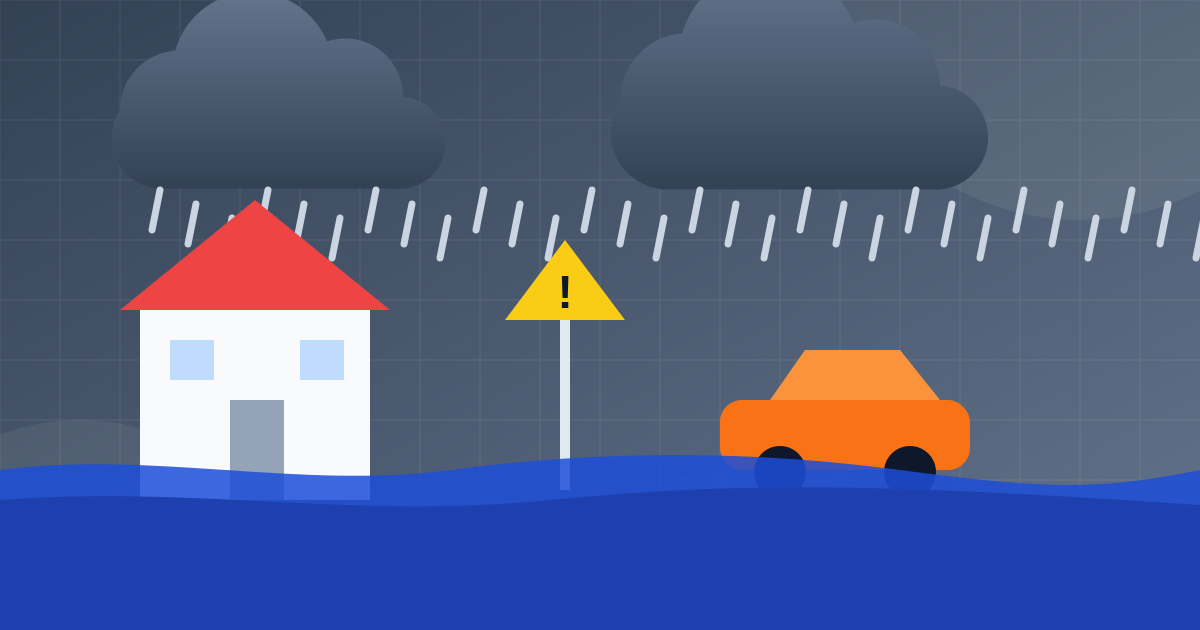
Flood water often hides open drains and manholes, collapsed road surfaces, debris and live electrical cables. If you are in a vehicle and water begins rising around it, leave the vehicle and move to higher ground if it is safe to do so. Turn around rather than driving into water whose depth you cannot see.
Other steps during heavy rain:
- Stay indoors if you can and avoid underpasses, riverbanks and low-lying roads.
- If water enters your home, switch off electricity at the mains only if you can do so safely and dry.
- Move to an upper floor if needed. Do not go into basements.
- Keep following official updates, and call your local emergency number (112 in India) if you are in danger.
After the flood
- Return home only when authorities say it is safe.
- Have a qualified person check electrics and gas before switching anything on.
- Assume flood water is contaminated with sewage and chemicals; wear gloves and boots when cleaning.
- Boil or treat drinking water until supplies are declared safe.
- Watch for illness. Waterborne and mosquito-borne diseases — such as diarrhoeal illness, leptospirosis, dengue and malaria — often rise after floods. Remove standing water around your home.
- Photograph damage for insurance before cleaning up.
Key takeaways
- Act on orange and red heavy-rain warnings early; flooding can develop within minutes.
- Prepare a grab-and-go kit and raise valuables before the monsoon peaks.
- Never enter flood water on foot or by vehicle — 15 cm of moving water can knock you down.
- Treat flood water and post-flood drinking water as contaminated.
Frequently asked questions
How much rain causes flooding?
It depends on drainage, terrain and how wet the ground already is. Short bursts of very intense rain can flood city streets even if the daily total is modest, while rivers can flood from rain that fell far upstream.
Is it safe to drive through a flooded road?
No. About 30 cm of moving water can float many cars, and flood water often hides open drains and damaged roads. Turn around and find another route.
What should be in a flood emergency kit?
Copies of important documents in a waterproof pouch, medicines, first-aid supplies, drinking water and food for three days, a torch, a power bank, some cash and a change of clothes.
This guide is general information, not a substitute for official warnings. For severe weather, always follow your national meteorological service and local authorities.